


Blog
Discover our latest posts
Ecommerce CAC is rising fast. Here’s why reallocating marketing budget to email is the move that compounds.
Your retention marketing channel is already funded and returning 35% less per subscriber than it did in 2018. The biggest ROI opportunity isn’t moving money from ads to email. It’s activating the 95% of email volume where personalization is completely idle.
Paid-ad ROAS is falling and attribution is eroding. Email is already a performance marketing channel — here’s the math that proves it.

The DAM market was built for campaigns, not personalization at scale. A true personalization DAM unifies photography, product data, and customer signals to enable deterministic, revenue-attributed rendering.
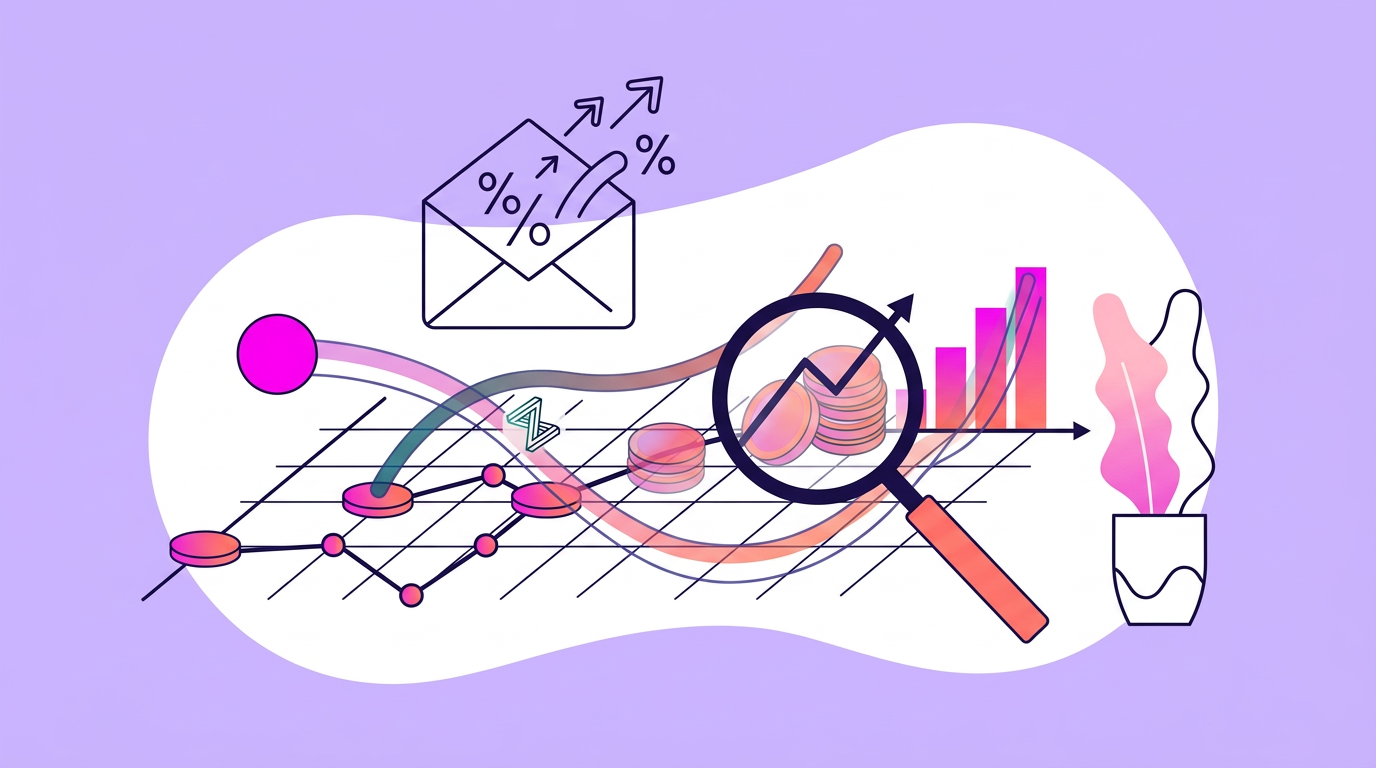
Most email A/B testing runs at 4% statistical power, so ‘winners’ are likely noise. Here’s what that false confidence costs your P&L and how to fix it with finance-grade measurement.
Zembula’s new Klaviyo app delivers real-time, 1:1 image personalization that renders at open, enabling brand-perfect product recommendations, countdowns, and loyalty modules without AI-generated content.

Most email ab testing fails the CFO test, underpowered tests generate false wins that cost real money. The fix: fewer, better-powered tests and a 4-week longitudinal holdout that proves true ROI.
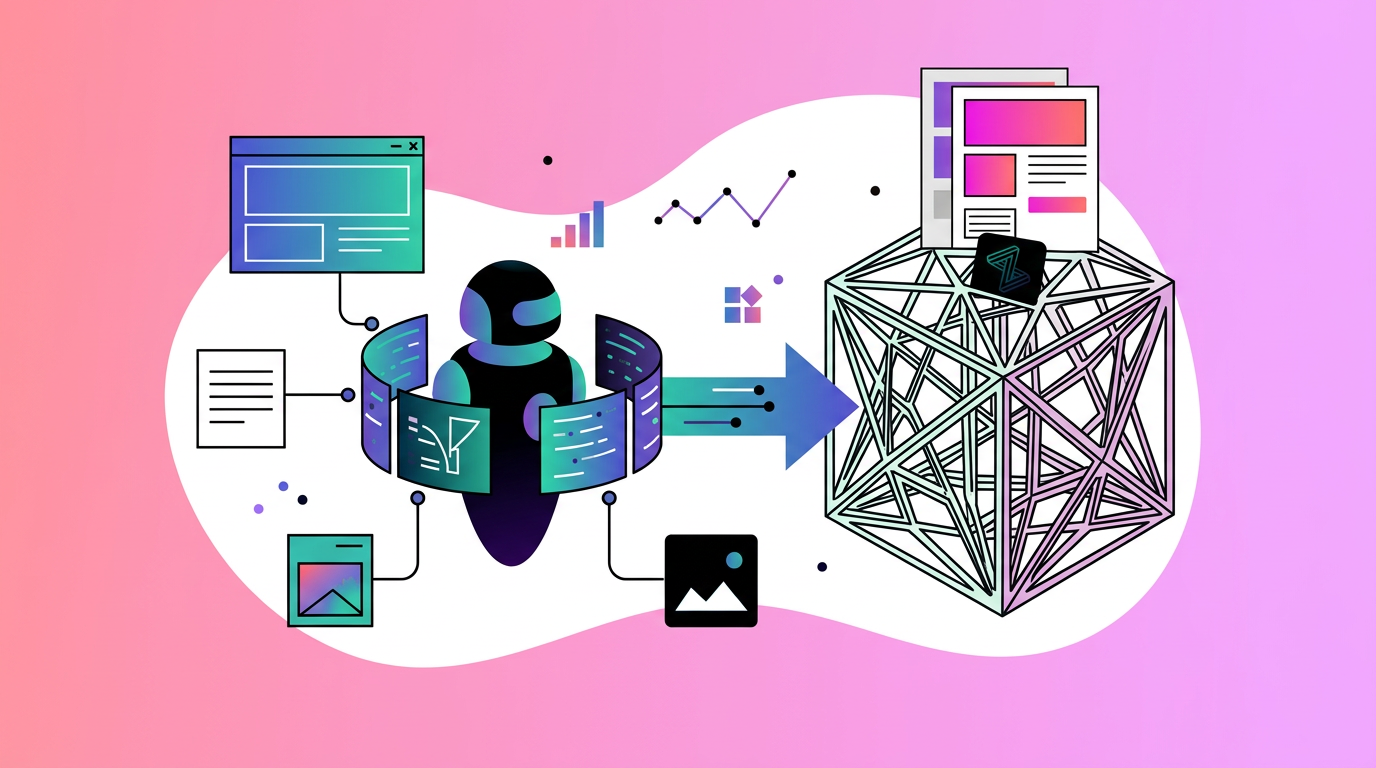
The race for AI marketing agents is on, but the winner won’t be the agent that writes the best copy, it’ll be the one that calls the best deterministic tools for brand-safe, measurable content.
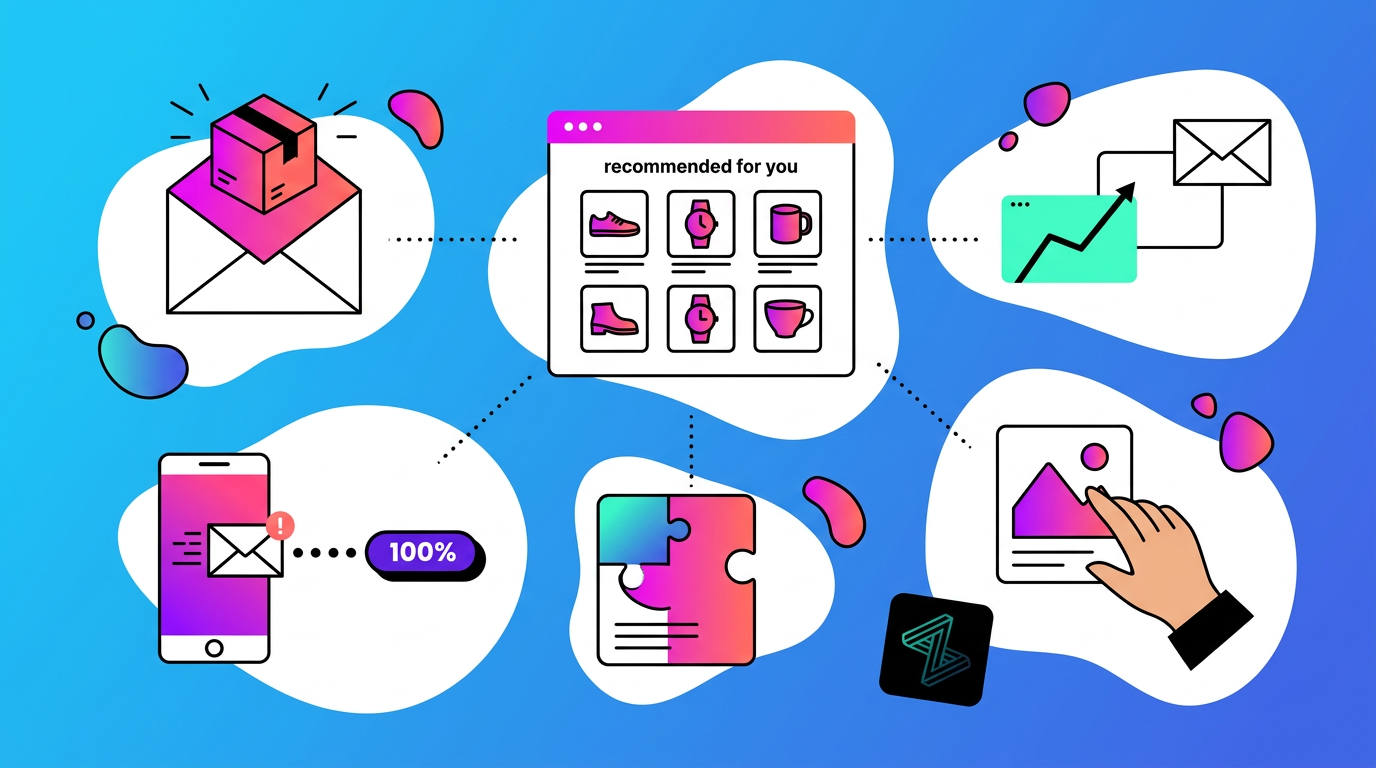
Product recommendation emails are the most personalized part of your broadcast, yet they often look the least like your brand. Here’s how to fix that.

The best abandoned cart email isn’t about volume, it’s about precision. Learn how serving the right version at the right time drives real revenue.
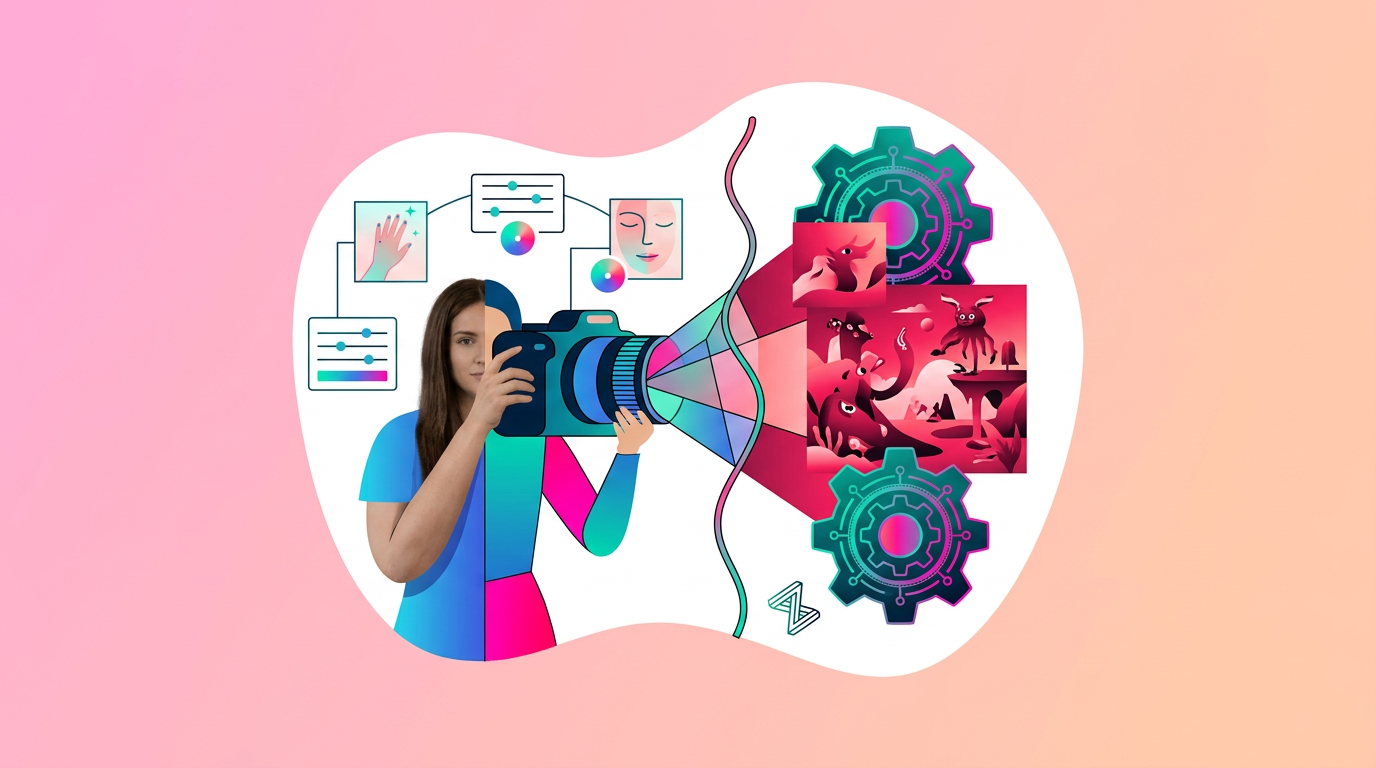
Celebrity Cruises’ use of AI generated images in advertising sparked false advertising claims. The issue wasn’t AI, it was using it to fabricate a real, bookable product.

AI content provenance is breaking in real time. Adobe’s Firefly for Slack enables fast creative work, but risks stripping metadata and violating EU AI Act rules. The fix is architectural, not technical.