5 Personalized Email Best Practices That Actually Drive Revenue
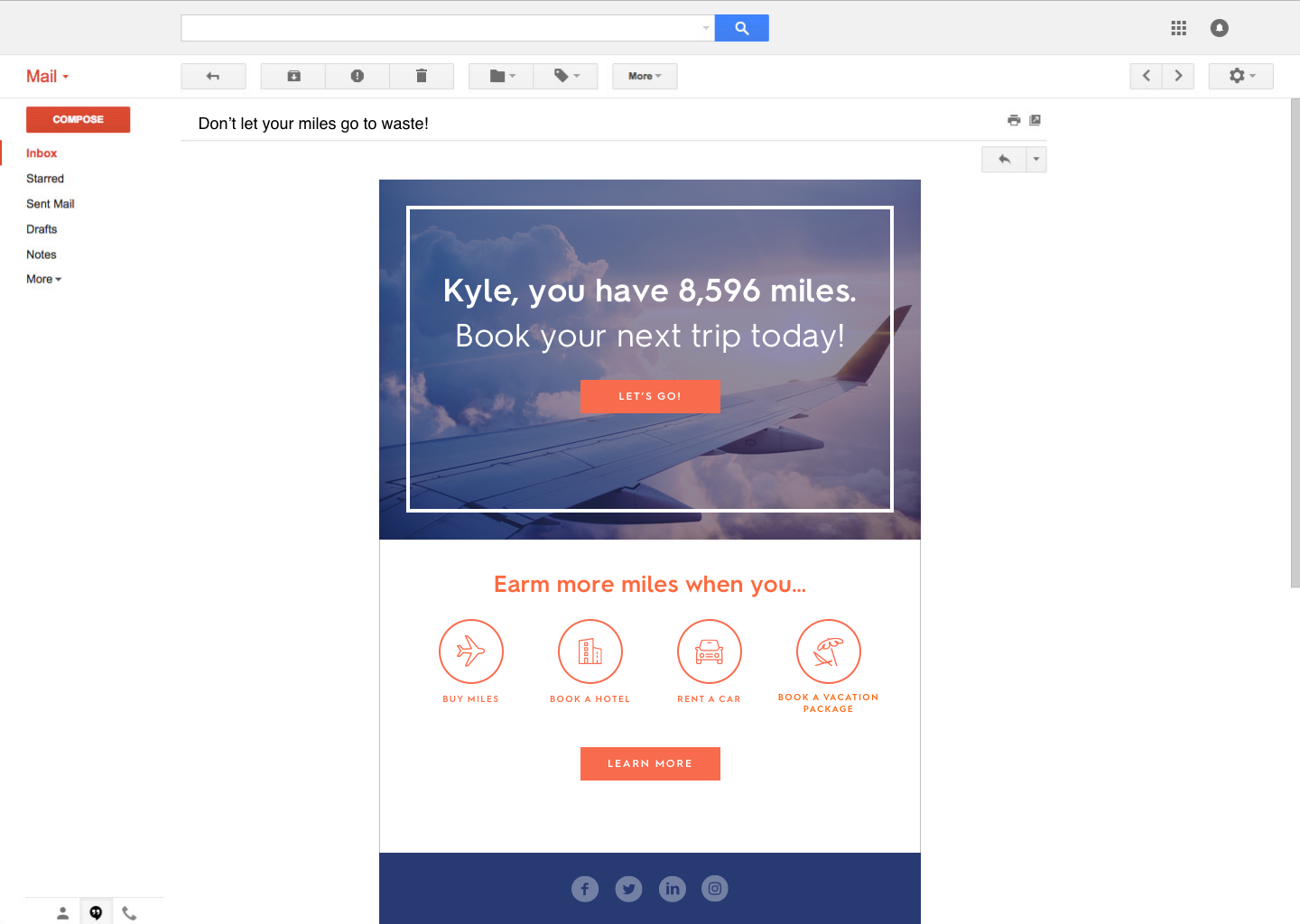
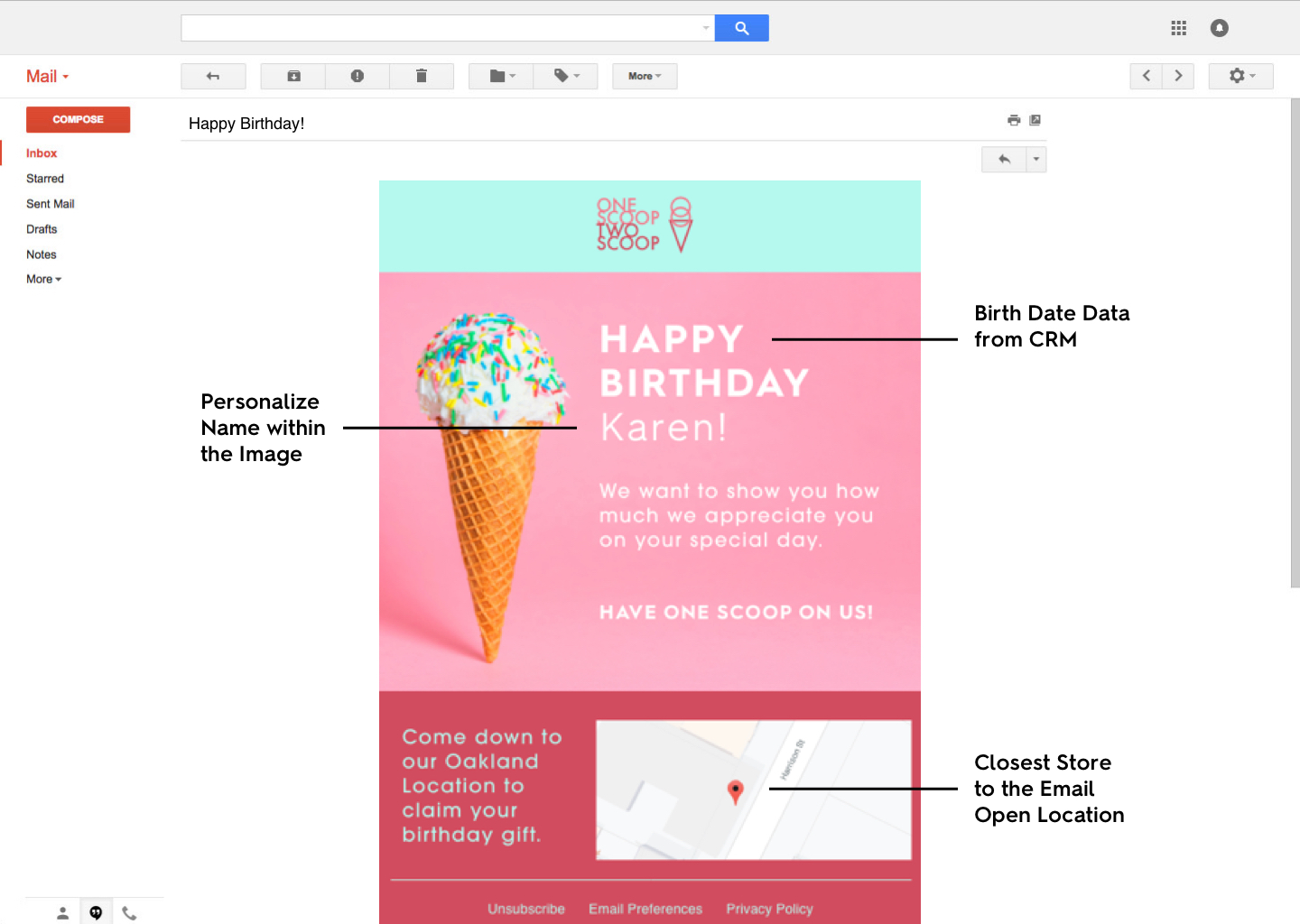
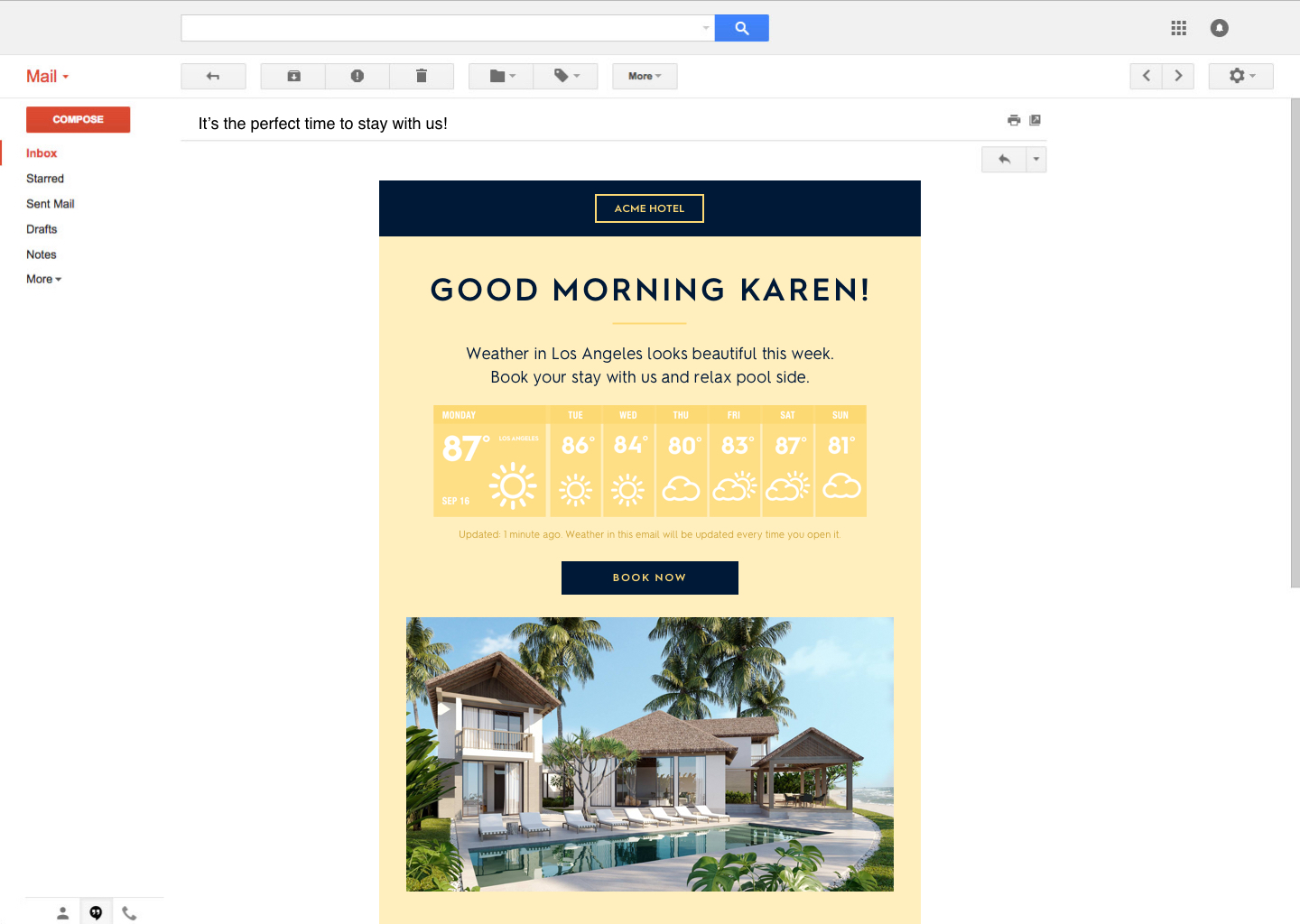
Most email teams think they’re sending personalized email. They’re not. They’re inserting a first name into a subject line and calling it a day. According to McKinsey’s research on personalization, 71% of consumers expect companies to deliver personalized interactions, and 76% get frustrated when that doesn’t happen. But the bar for what counts as “personalized” keeps rising. A merge tag in the preheader isn’t going to cut it anymore.
Here’s what we see across billions of email impressions on the Zembula platform: the typical click-to-conversion rate (CTC) for an entire email sits around 2.5%. Personalized content blocks, the kind that pull in behavioral data, loyalty information, and product recommendations at open time, average an 18.3% CTC. That’s more than 7x the baseline. The gap between “we personalize” and actually doing it at the content level is where most of the revenue opportunity lives.
These five email personalization best practices come from what we’ve learned working with brands like Thrive Causemetics, J.Crew, SPANX, and Sephora UK. They’re practical, they’re specific, and they’re focused on one thing: making every personalized email you send measurably better at converting.
Practice 1: Build Each Personalized Email Block From Multiple Data Signals
Single-signal personalization (showing someone a product they browsed, or displaying their loyalty points) is fine. It’s better than nothing. But it leaves a lot of revenue on the table.
The real gains come when you layer signals together. Think about what you actually know about a subscriber at the moment they open your email: what they browsed, what’s in their cart, their loyalty tier, whether they have an active coupon, recent reviews on products they’ve viewed, and what’s trending in their region. Most of that data already exists in your stack. The problem is that most email personalization tools can only use one signal at a time.
With Zembula’s Smart Banners™, a single banner can combine a subscriber’s loyalty point balance with a browsed product image and apply the points as a discount on that specific item. Here’s what that looks like in practice:

That single content block pulls from three data sources simultaneously: browse behavior, loyalty tier, and pricing. The subscriber sees a product they already want, at a price that reflects their rewards balance. That’s the kind of personalized email content that converts, because it’s specific to one person and one moment.
Practice 2: Protect Brand Fidelity With Image-Based Personalized Email Content
Here’s an uncomfortable truth: if your personalized content looks different from the rest of your email, it performs worse than no personalization at all. Subscribers notice when a content block uses a different font, or when a product image looks like it was pulled raw from a feed without any art direction. It breaks trust. It looks like spam.
This is why Zembula renders personalized content as images rather than HTML text. Image-based rendering means you can use your brand’s exact custom fonts, control the layout down to the pixel, and art-direct every product image that appears. Your personalized blocks look like they were designed by your creative team, because they were. The templates are built once with your brand standards, then the data fills in dynamically at open time.
AI-extended backgrounds are a good example of this in action. When a product image doesn’t fit your banner dimensions, Zembula can use AI to extend the background so the product sits naturally in the layout:
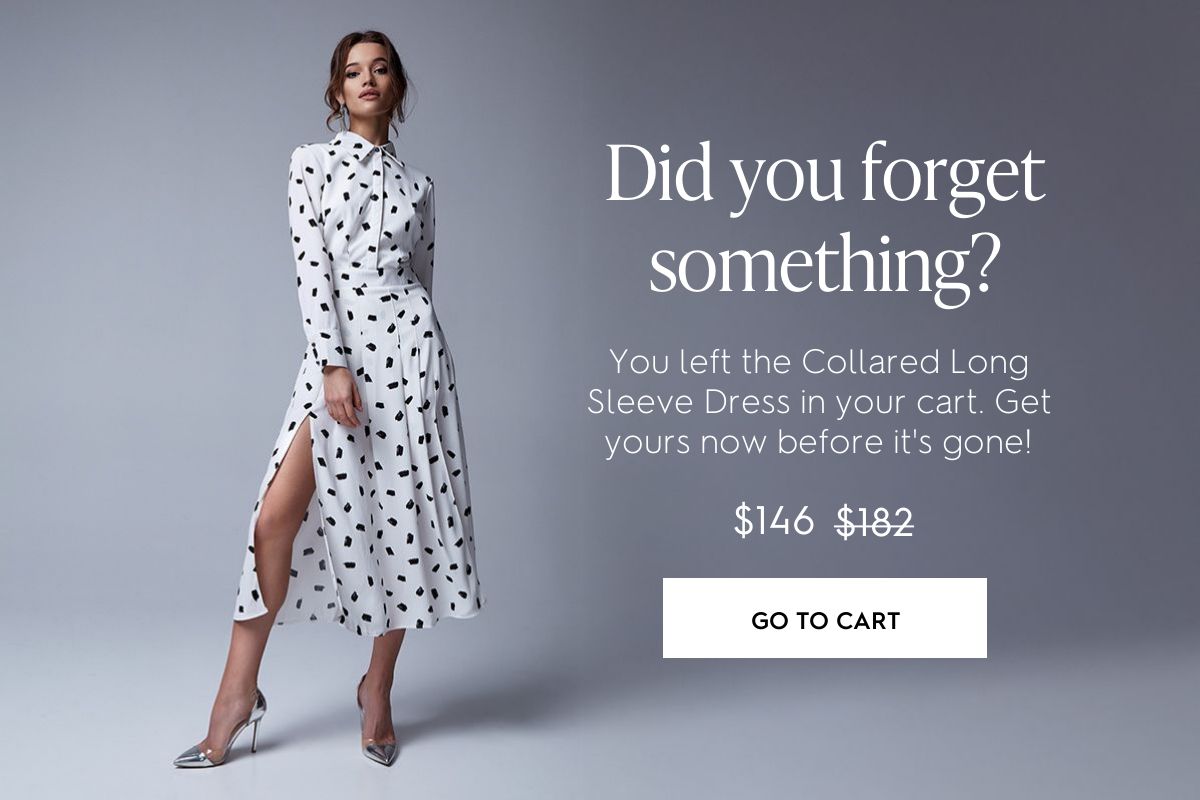
The result is a personalized email that feels cohesive. The subscriber doesn’t experience a jarring shift between “the email my brand designed” and “the dynamic block that some tool generated.” According to Nielsen Norman Group’s research on brand consistency, visual coherence directly affects user trust and engagement. That applies to email just as much as websites.
Practice 3: Stack Signals for Compound Conversions
We touched on layering data in Practice 1. Now let’s talk about why stacking three or more signals in a single block matters so much for conversion rates.
A browse abandonment reminder on its own might get a 2-3% click rate. Add a countdown timer for a personal coupon that’s about to expire, and you’ve introduced urgency. Now layer on the specific product they viewed, rendered with your brand fonts and proper art direction. Each signal amplifies the others.
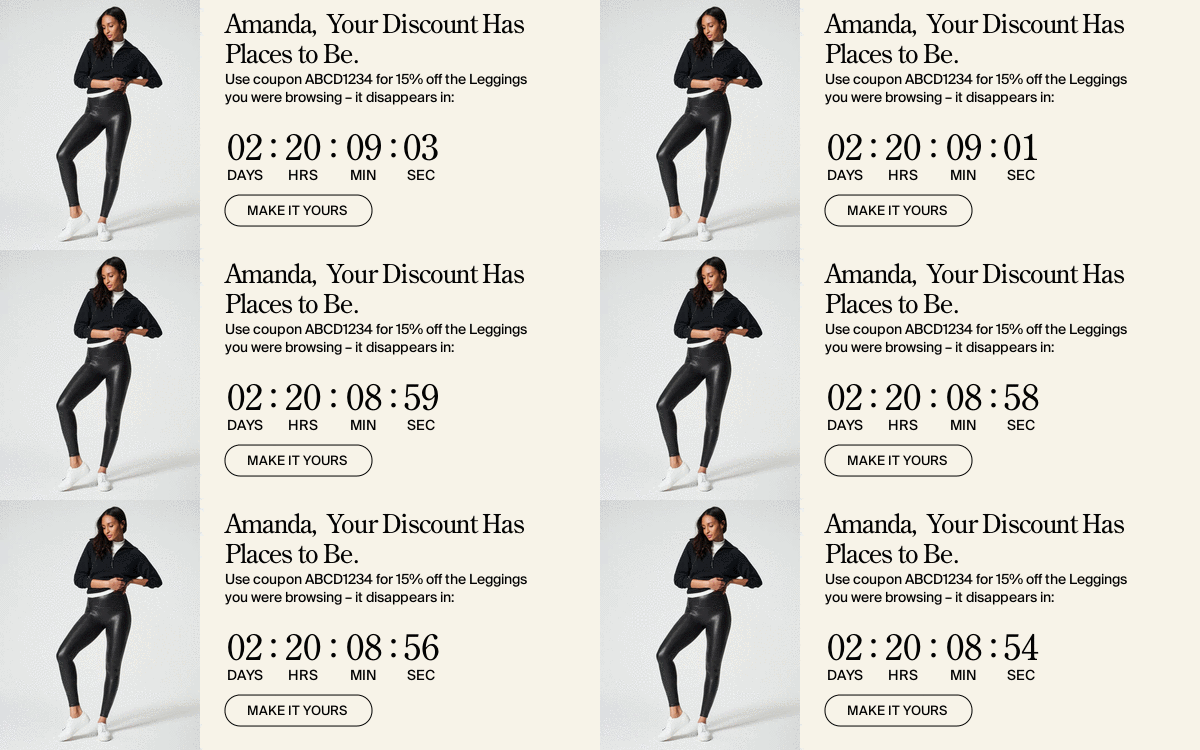
We see this consistently across the platform: personalized content that combines behavioral, promotional, and urgency signals converts at roughly 5.4x the rate of the overall email. That’s the difference between a content block that informs and one that compels. Abandoned cart scenarios are a natural fit for this kind of signal stacking, but it works just as well for browse abandonment, loyalty nudges, and back-in-stock alerts.
Practice 4: Use Creative Variation to Beat Banner Blindness
Even the best personalized email content will stop performing if it looks the same every day. Subscribers develop banner blindness fast, especially on broadcast emails they receive daily. If your personalized banner has the same layout, the same color scheme, and the same position in every send, people stop seeing it. Literally. Their eyes skip right over it.
The fix is creative variation. Rotate templates, layouts, and messaging frameworks so that your personalized blocks feel fresh. This doesn’t mean redesigning from scratch every day. It means having a library of on-brand templates that your decisioning engine can pull from based on what’s most relevant (and least stale) for each subscriber.
Zembula supports over 100 behavioral use cases across loyalty, cart, browse, reviews, and offers. The combination of Smart Banners™ and Smart Blocks™ means you can vary both the top-of-email banner and mid-email content simultaneously. When a subscriber who hasn’t engaged with a loyalty banner in three sends opens their next email, the system can swap to a browse-based message or a trending products block instead.
Practice 5: Measure Your Personalized Email Performance at the Block Level
Most email teams measure open rates and total email click rates. That’s useful for big-picture trends, but it tells you almost nothing about whether your personalization is working. If your email has 8 content blocks and one of them is personalized, the overall email CTC doesn’t tell you which block drove the sale.
Block-level click-to-conversion (CTC) and revenue per mille (RPM) attribution changes the game. When you can see that your Smart Banner™ with loyalty + browse data is converting at 18% CTC while your static promotional block is at 1.2%, you know exactly where to invest. You also know which data signal combinations are working and which aren’t. This kind of attribution is how you build a business case for expanding personalization across more of your email program.
The typical CTC for an entire email is around 2.5%. Personalized Smart Banner and Smart Kicker™ content regularly hits 15-25% CTC for abandoned cart combinations. When you can see that delta at the individual block level, the optimization opportunities become obvious.
How These Practices Work Together: From Smart Banner to Smart Kicker
The real power shows up when you apply all five practices to a single email. A Smart Banner™ at the top of the email catches attention with a personalized message (maybe a loyalty tier reminder paired with a browse abandonment nudge). A Smart Kicker™ at the bottom reinforces the message with a different angle on the same data.
Here’s a real banner and kicker pair working together:
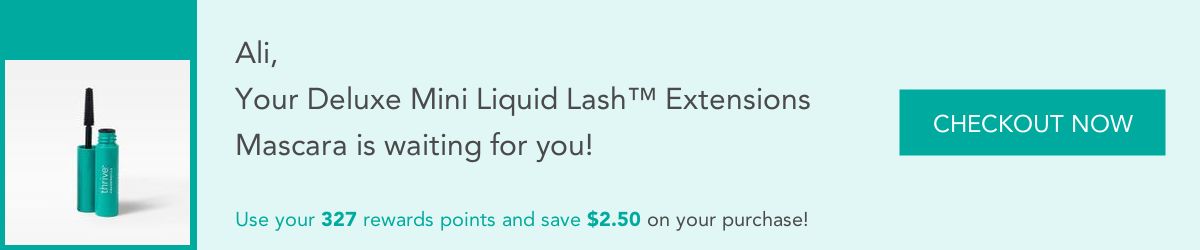
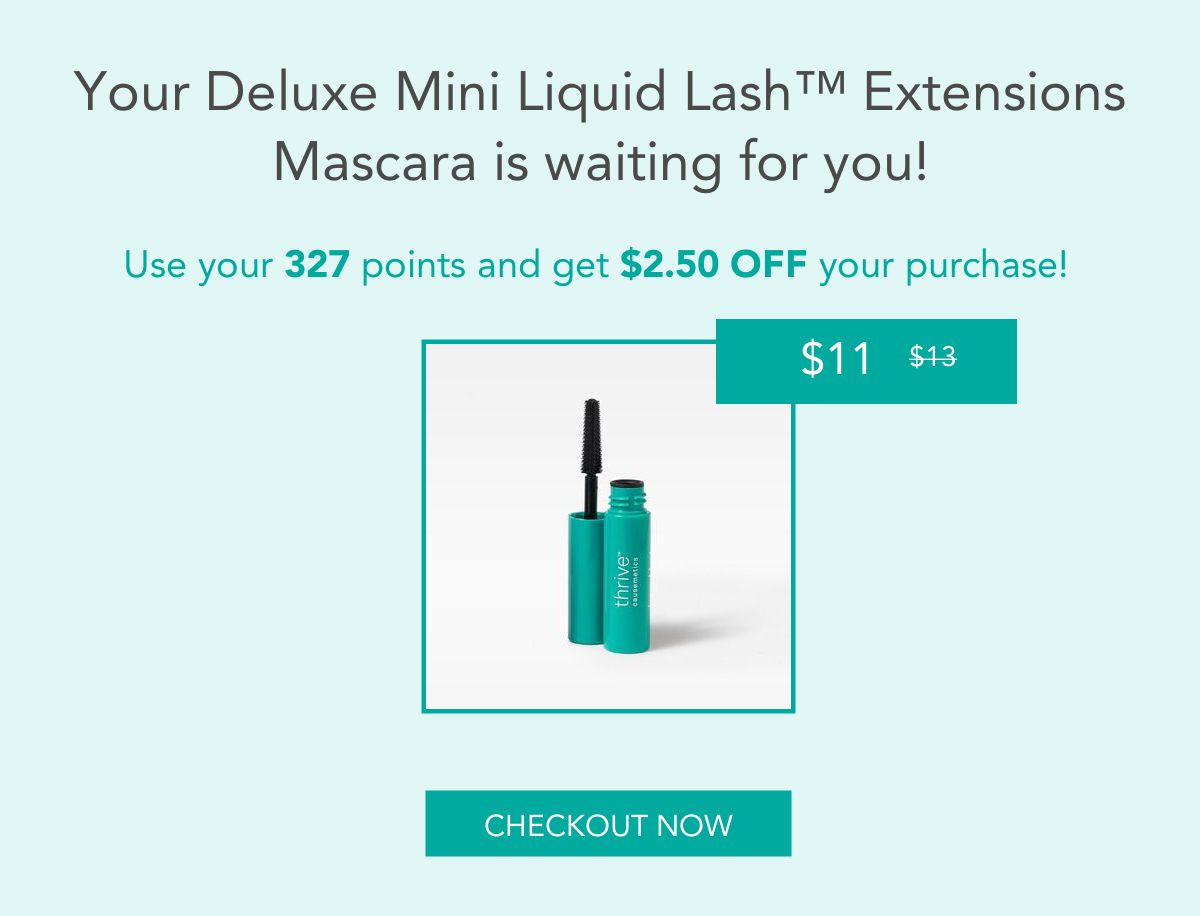
The banner and kicker use the same data signals but different creative treatments. Both are rendered as images with the brand’s custom fonts. Both are tracked independently for CTC and RPM. And both are served through Zembula’s open-time decisioning engine, so the content is fresh at the moment of open, not the moment of send.
This approach turns every broadcast email into a personalization opportunity. You don’t need to build dedicated triggered flows for every scenario. The decisioning engine picks the most relevant message for each subscriber, from a library of 100+ use cases, and renders it on the fly.
Getting Started: The Broadcast-First Approach
If you’re sending daily or near-daily broadcast emails (and most ecommerce brands are), that’s where to start. Broadcast volume is where the biggest revenue opportunity lives, because it’s the largest share of your sends and it’s usually the least personalized.
Add a single Smart Banner™ to your broadcast template. Connect your behavioral and loyalty data sources. Set up 5-10 personalization scenarios (browse abandonment, loyalty reminders, active coupons, trending products). The banner picks the most relevant scenario for each subscriber at open time.
Once you’re seeing the CTC and RPM data from that first banner, expanding to Smart Kickers™ and Smart Blocks™ is a natural next step. Each block you add creates another measured touchpoint, another opportunity to convert, and more data to optimize against.
Key Takeaways
- Layer multiple data signals into each personalized email block. Browse behavior alone is good. Browse + loyalty + urgency is 5.4x better than the email baseline.
- Protect brand fidelity by rendering personalized content as images with your custom fonts and art-directed product imagery. If your dynamic content looks off-brand, it hurts more than it helps.
- Stack signals for compound conversions. Three data layers in a single block consistently outperform single-signal personalization.
- Rotate creative templates to fight banner blindness. Static content that looks the same every day becomes invisible.
- Measure at the block level. Email-level CTC hides the performance of your personalized content. Block-level CTC and RPM show you exactly what’s working.
- Start with broadcast. It’s your highest-volume, lowest-personalization channel, which means it’s your biggest revenue opportunity.

Grow your business and total sales